
Basivkuts’ke horodyshche (Basiv Kut Hillfort)
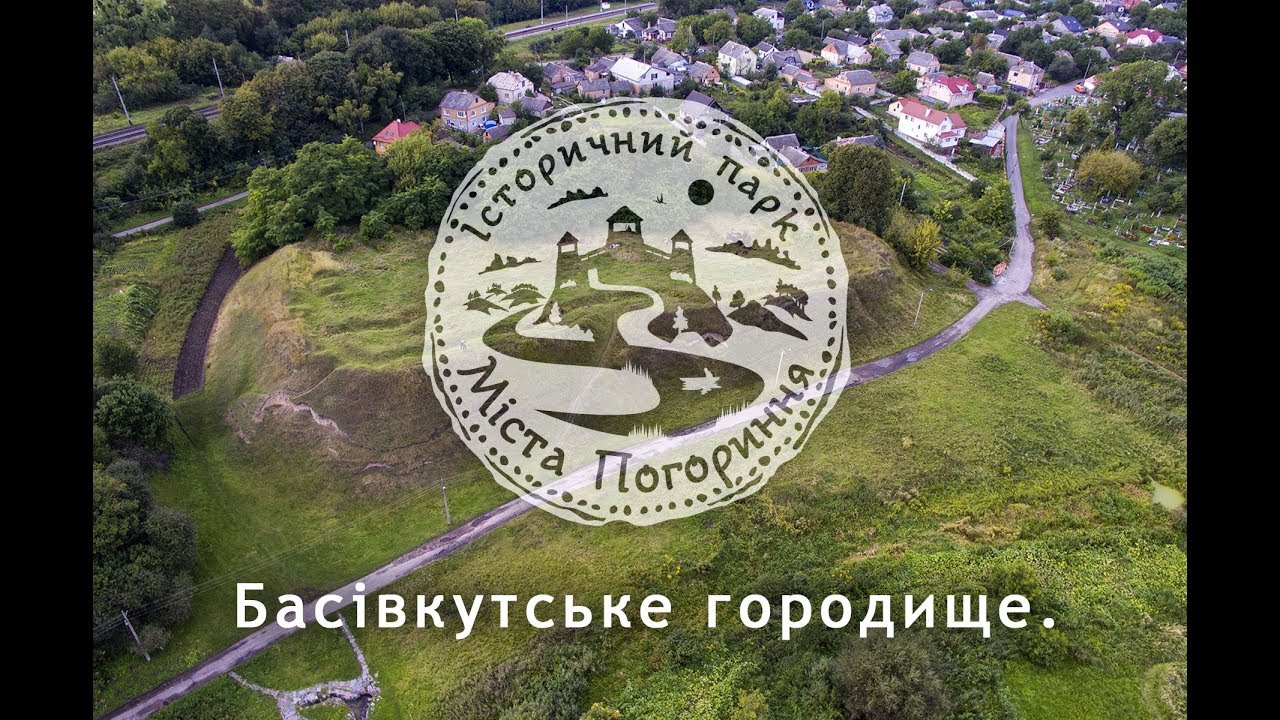
Basiv Kut Hillfort is located on the territory of the former Basiv Kut village on the southern outskirts of the city of Rivne, on the western bank of the Basiv Kut Reservoir (left bank of the Ustia River).


Archaeological Monument of National Importance
the city of Rivne, vul. Murusi Churai (left bank of the Ustia River)
50.59480, 26.23645
4 km
Archaeological finds confirm that Basiv Kut Hillfort was the administrative and economic centre of a small district in the middle reaches of the Ustia River during the 11th – 12th centuries. In the late tenth or early eleventh century the fortress was built here as a small castle for the official appointed by the knyazs or prince from among the noblemen to rule the locality. The hillfort has been used as a settlement for a short time. In the middle of the 12th century the fortress was destroyed due to princely quarrels, and the locals left the settlement. Presumably, no one lived here after the times of Kyivan (Kievan) Rus, because no objects of the Lithuanian-Polish Era have been found here so far.
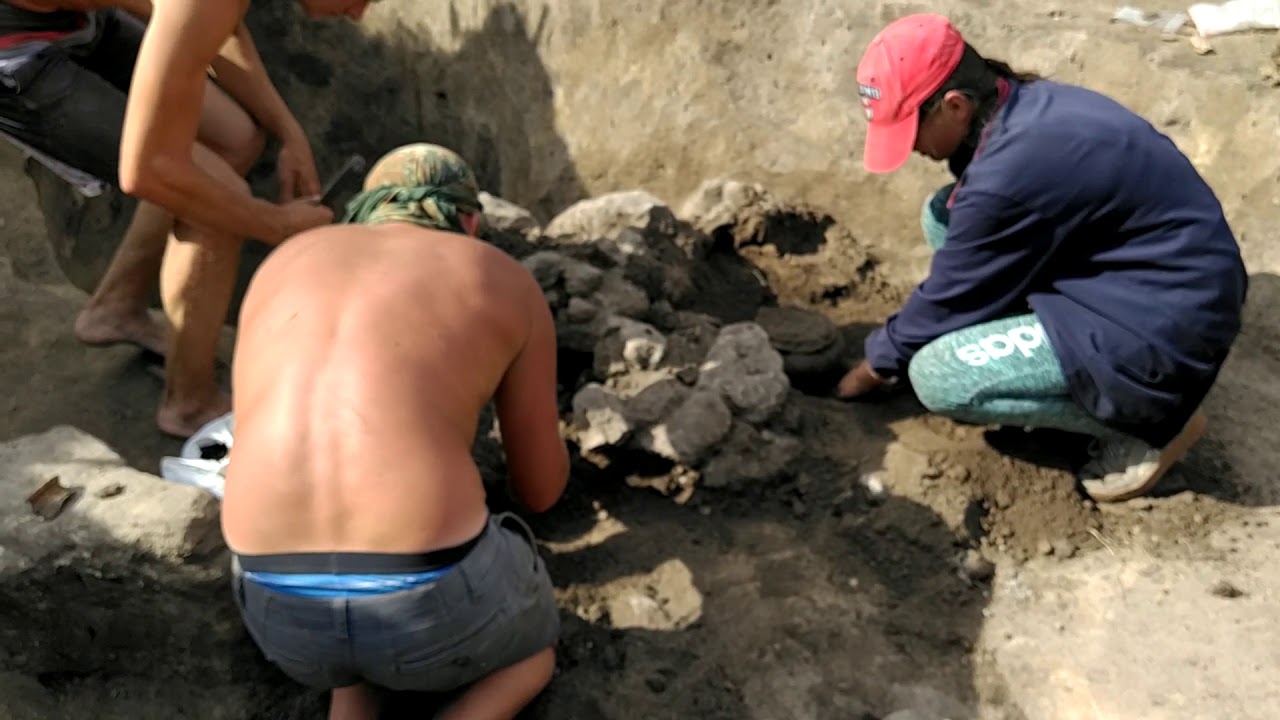
In 2020, an archaeological expedition led by Oleksii Voitiuk explored a half-dugout with 10th-century utensils and a stone stove. A thick layer of ash indicates that the building was destroyed by fire, apparently as a result of the attack. The most interesting finds from the house include ceramic dishes of the 10th century and a curved point made of deer antler. In the cultural layer, next to the half-dugout, the expedition found an iron socket share, i.e. a cutting blade which gouges the surface ground and is attached to the main part of the ard, a spur, i.e. a metal tool designed to be worn in pairs on the heels of riding boots for the purpose of directing a and a very high-status item, a huge number of weapons, including many arrowheads.
The artefacts found on the territory of this hillfort are one of the earliest finds in Rivne. They belong to the period when the Kyivan (Kievan) Rus was formed. According to the peculiarities of the finds, the Basiv Kut fortification can be considered one of the earliest Slavic settlements. The inhabitants of such settlements built houses and outbuildings in a very interesting way.
Earlier, during 1997-2001, an expedition led by archaeologist Bohdan Pryshchepa explored a part of the monument, particularly 600 square meters, in order to study the northern edge of the site and its south-western part. The researchers found the remains of residential buildings and outbuildings, as well as several burials. At the same time, they also found remains of wooden structures inside the earthen ramparts. The results of the research allowed the scientists to determine that the settlement belongs to the 11th-13th centuries. Bohdan Pryshchepa discovered a large settlement of the 10th-13th centuries near the initial hillfort.
Scientists have known this monument since the end of the 19th century. Volodymyr Antonovych mentioned it in the “Archaeological Map of the Volhynian Governorate”. Whereas his wife, Kateryna Antonovych-Melnyk, researched burial mounds (kurgans, a type of tumulus constructed over a grave) located nearby. In 1960, Pavlo Rappoport surveyed the Basiv Kut hillfort. Basing on the received archaeological materials he dated the monument to the 11th-13th centuries. Later, in 1983 and 1986, Bohdan Pryshchepa conducted archaeological reconnaissance at the hillfort.
Historic reference: Oleksii Voitiuk, photograph and video: Yurii Oitsius
Video


- Number of Hillforts: - 3
- Number of Springs: - 3
- Number of Attractions: - 6
- Number of Monuments: - 2

- Number of Hillforts: - 5
- Number of Springs: - 2
- Number of Attractions: - 7
- Number of Monuments: - 4

- Number of Hillforts: - 7
- Number of Springs: - 5
- Number of Attractions: - 9
- Number of Monuments: - 9

- Number of Hillforts: - 4
- Number of Springs: - 5
- Number of Attractions: - 11
- Number of Monuments: - 9
- Number of Hillforts: - 3
- Number of Springs: - 1
- Number of Attractions: - 9
- Number of Monuments: - 3