
Hrushvytsʹke horodyshche (Hrushvytsia Hillfort)
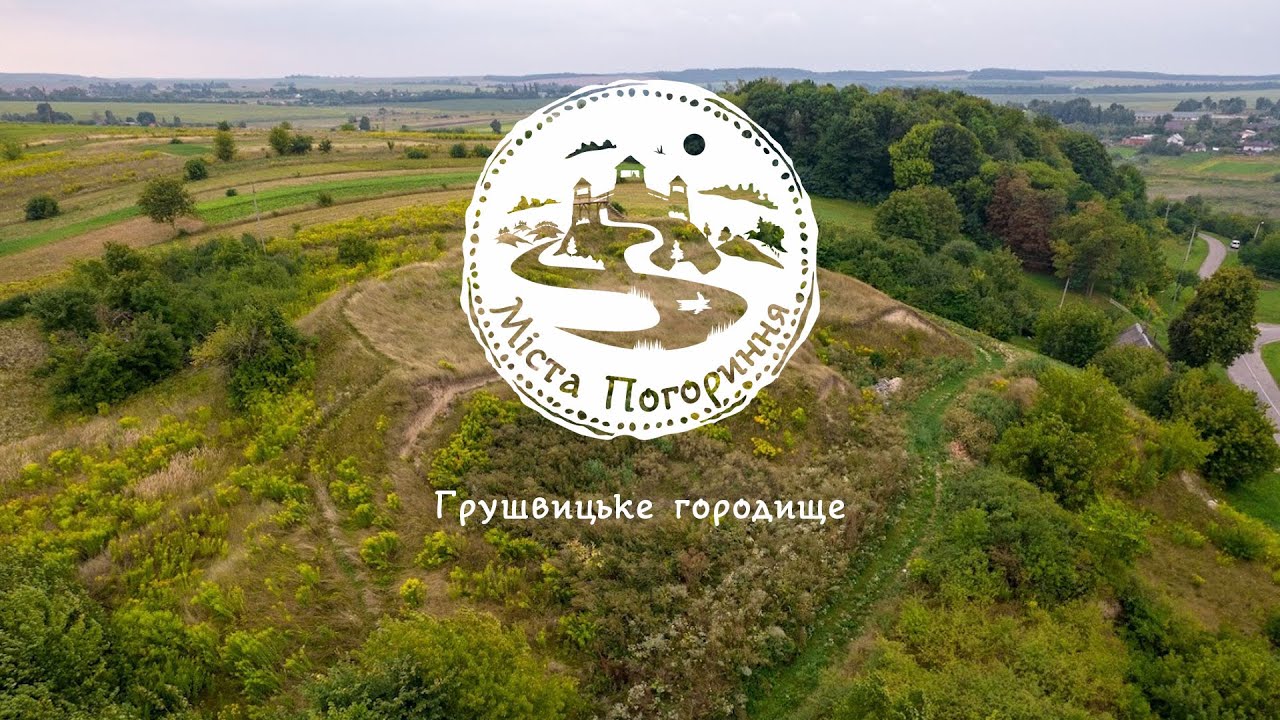
The hillfort is located in the central part of the Persha Hrushvytsia village, near the Stubly River, in the “Horodyshche” Isolated Terrain. It is not completely preserved, the western edge of the fortified site was destroyed by a quarry where at some point has also been a school shooting range.


Archaeological Monument of Local Importance
Rivne Oblast, Velyka Omeliana Territorial Community (Hromada), Persha Hrushvytsia village.
50.54839, 26.03447
21,3 km
As one can see from the contours of the preserved part of the site, the design was close to a trapezoid with the sizes of 65 × 60 m, the perimeter was protected by a rampart that at maximum points was 1.5 m high. On the side of the field-facing rampart (the one facing the enemy), the researchers noted the remains of the moat, which was damaged by the tillage. There are terraces on the northern and southern sides of the site below the top of the rampart.
Archaeologists B. Pryshchepa, Yu. Terletskyi, and V. Chekurkov first examined the monument in 2003. In 2010, B. Pryshchepa, O. Voitiuk, and V. Chekurkov re-examined the site during the joint archaeological reconnaissance. At that time, the quarry side was cleaned in order to identify stratigraphic layers that would characterise the embankment of the rampart.
In August 2018, an archaeological expedition led by Oleksii Voitiuk explored the Hrushvytsia Hillfort. The scientists mainly researched the western edge of the site where the quarry was destroying it. The total length of the cleared area is 56.9 m.
In the course of the works the archaeologists recorded that the monument presents materials of different chronological periods, so the site is multi-layered. Silicon chipping compose the most common materials, part of which is covered with rich milk patina, there were several plates with a lateral cut, made of soft stone (probably sandstone), which dates them to the Palaeolithic era. There were also several fragments of pottery – massive ceramics with a rough surface and an admixture of sand in the ceramic dough (typical of the 11th century).
Historic reference: Oleksii Voitiuk, photograph and video: Yurii Oitsius
Video
- Number of Hillforts: - 5
- Number of Springs: - 2
- Number of Attractions: - 7
- Number of Monuments: - 4