
Hoshchans’ke horodyshche (Hoshcha Hillfort)
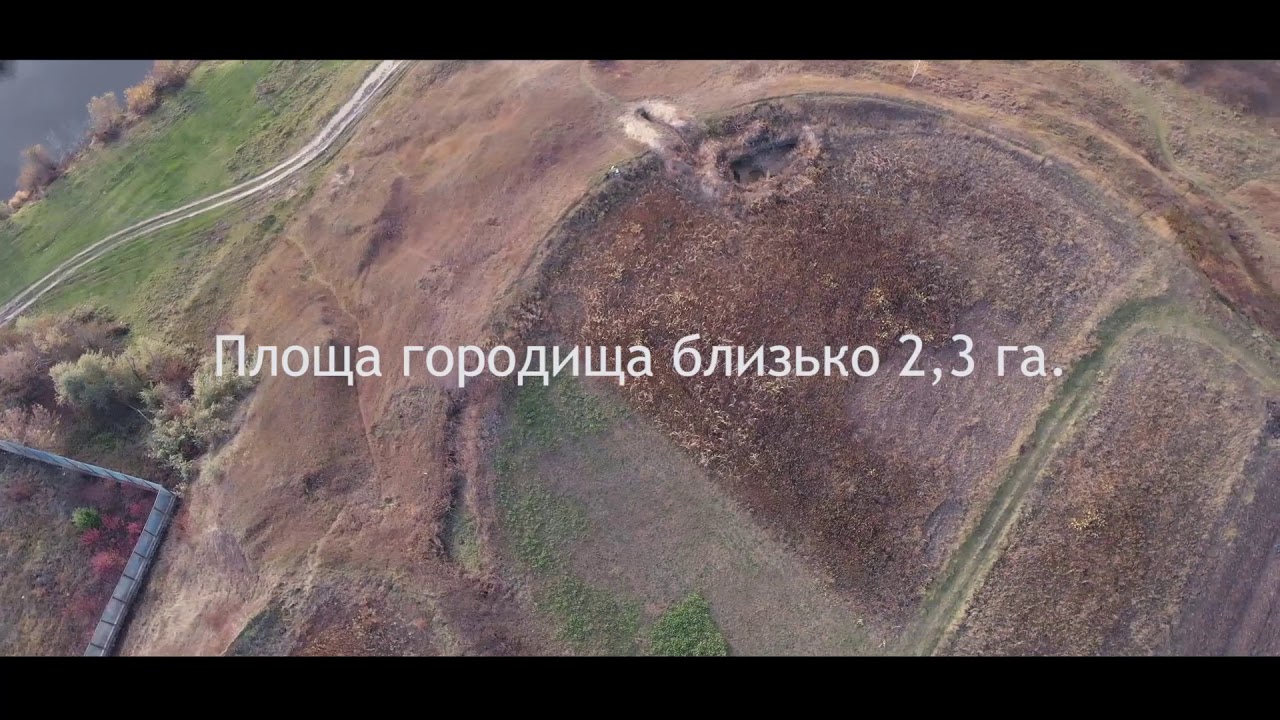
Hoshcha Hillfort is located between the Horbakiv village and Hoshcha urban-type settlement in the “Berizky” Isolated Terrain on the banks of the Horyn River. It dates back to the 11th-13th centuries.


Archaeological Monument of National Importance
Rivne Oblast, Hoshcha Territorial Community (Hromada), Hoshcha urban-type settlement.
50.60554, 26.65984
32 km
In the past few years, the Hoshcha Hillfort has appeared more often in mass media: archaeological expeditions led by Oleksii Voitiuk and Bohdan Pryshchepa, historical and cultural festival of Kyivan (Kievan) Rus “Pohoryna – 2019”, Instagram photos of tourists and residents. However, until 2017, the territory of the hillfort (the western part of the posad, i.e. a settlement, often surrounded by ramparts and a moat, adjoining a town or a kremlin (fortification), and the whole detinets, an ancient Rus’ city-fort or central fortified part of a city, similar to the meaning of kremlin, citadel) was used as agricultural land, and in the eastern part there were the premises of the veterinary laboratory.
From 2018 till 2020, scientists have actively explored the settlement in Hoshcha. The main works were carried out on the northern edge of the posad site. In 2018, the archaeologists discovered the remains of a dwelling, which according to the found flint products belongs to the Lublin-Volhynia Culture of the Copper Age (4th and 3rd millennia BC). In 2019, the most valuable find at the Hoshcha Hillfort was the burial with a human skeleton of a woman aged 30-40 years, which, according to preliminary data, dates back to the 4th and 3rd millennia BC and belongs to the Lublin-Volhynia Culture. The most interesting finds of 2020 include metal tools, an astragalus (a bone in the ankle, or hock of ungulates used for playing knucklebones or astragalus, a game of dexterity), and shells with holes. The researchers found the remains of a dwelling of the 11th century under the embankment of the rampart and a wedding ring made of twisted wire, which belongs to the same period.
The history of studying the Hoshcha Hillfort is quite old. It was first mentioned in the scientific literature in the early 20th century. At that time the prominent historian and archaeologist Volodymyr Antonovych localised the “Vynohrad” Isolated Terrain, and he found noticeable remains of fortifications (as it is noted in his records). Yurii Kukharenko studied the monument in the post-war period and identified the main archaeological cultures in the site. In the 1960s, Pavlo Rappoport measured and sketched both sites and published these data in his monograph. During the 2000s, Bohdan Pryshchepa and Oleksii Voitiuk have periodically surveyed the hillfort.
Historic reference: Oleksii Voitiuk, photograph and video: Yurii Oitsius
Video

- Number of Hillforts: - 7
- Number of Springs: - 5
- Number of Attractions: - 9
- Number of Monuments: - 9