
Hoshchans’ky park XVIII st. (Hoshcha Park of the 18th Century)
Hoshcha Park is one of the five oldest parks in Ukraine. Its greatest asset is the rare species of trees brought here from many countries in the Southern Hemisphere. There are 51 species of rare shrubs and trees on a relatively small area (about 7 hectares). During the Polish rule, in the 1930s, the park area was fenced off and there was a guard at the entrance.


Landscape art monument of national importance
Rivne Oblast, Hoshcha Territorial Community (Hromada), Hoshcha Urban-Type
50.59784, 26.67301
29,9 km
An exotic ginkgo tree, a descendant of the lush forests of the Tertiary period, is a true gem of the park. At the first glance, it more closely resembles coniferous trees, however after looking closely, one can see small leaves on the branches. The tree has no slender crown, it does not burn. In Ukraine, ginkgo grew in the last interglacial period. Ginkgo biloba, commonly known as ginkgo or the maidenhair tree, is the only member of the family and genus of plants that used to grow on Earth in the Mesozoic era (about 115 million years ago). Nowadays this species of tree grows in its natural state only in southern China.
Hoshcha Park has other distinctive trees, namely, a native of the Atlantic regions of South America, quercus palustris (the pin oak or swamp Spanish oak) with a uniquely shaped pyramidal crown, and acer platanoides ‘Schwedleri’, and Weymouth pine (eastern white pine) with small silky needles and long narrow cones, European spruce, Austrian (black) pine, large-leaved linden (form with parted leaves), fraxinus excelsior, known as the ash or European ash, wych elm, betula alleghaniensis, i.e. the yellow birch, golden birch, or swamp birch, and Japanese pagoda tree, resembling black locust, but has no thorns, and the bark on its branches is green. The park has many age-long trees, including an ash tree, which is about 250 years old.
The Hoshcha Park is an excellent model of landscape art. Most of the plantings in the park are landscaped, there are very few alleys and paths, meadows alternate with groups of trees. At the same time, rare single plantations are located on the edge of a certain group, as it emphasizes their uniqueness and value. The fact that the park was located on a flat area (which is also understandable, there was no need to emphasize the dominant importance of architecture) was also unique for Volhynia. Thus, the park has been transformed into a unique living collection of exotic species preserved to this day.
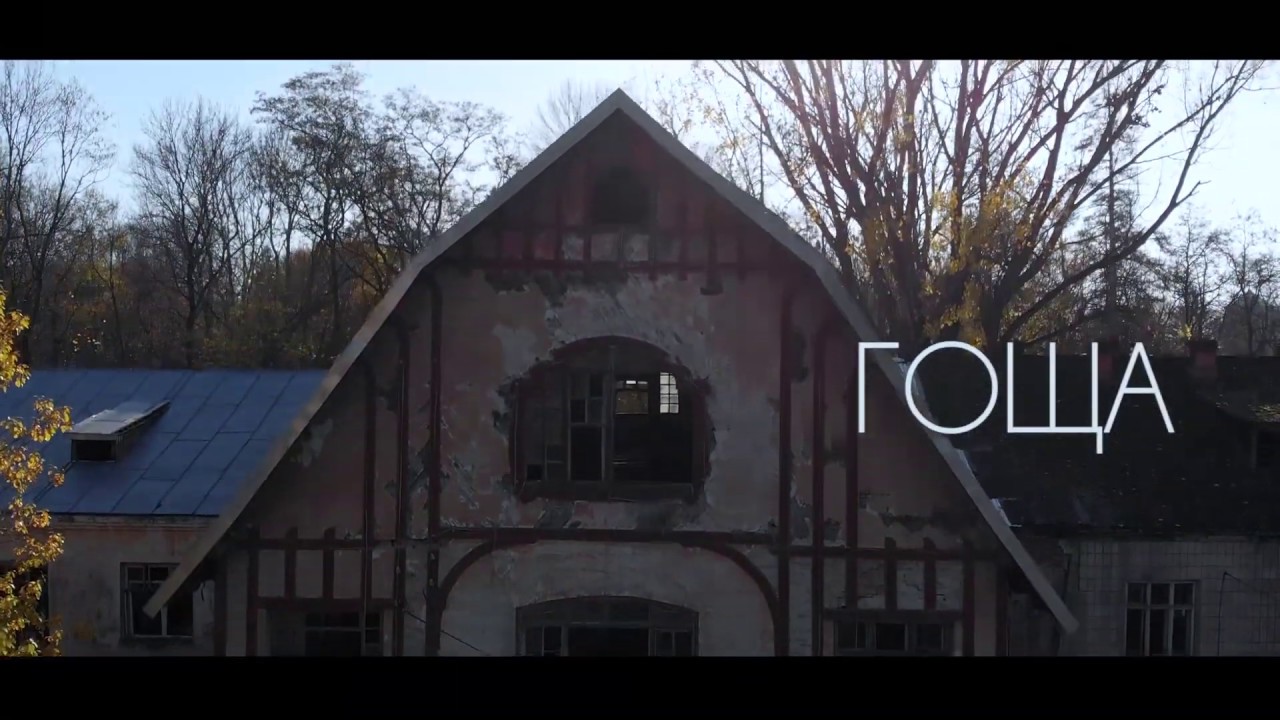
Video

- Number of Hillforts: - 7
- Number of Springs: - 5
- Number of Attractions: - 9
- Number of Monuments: - 9